
Contents
- Introduction to Parasitic Infections
- Types of Parasitic Infections
- Symptoms and Diagnosis
- Treatment and Prevention
- Economic Impact and Public Health Concerns
- Current Research and Developments
- Controversies and Debates
- Future Outlook and Predictions
- Practical Applications and Recommendations
- Related Topics and Further Reading
- Frequently Asked Questions
- References
- Related Topics
Overview
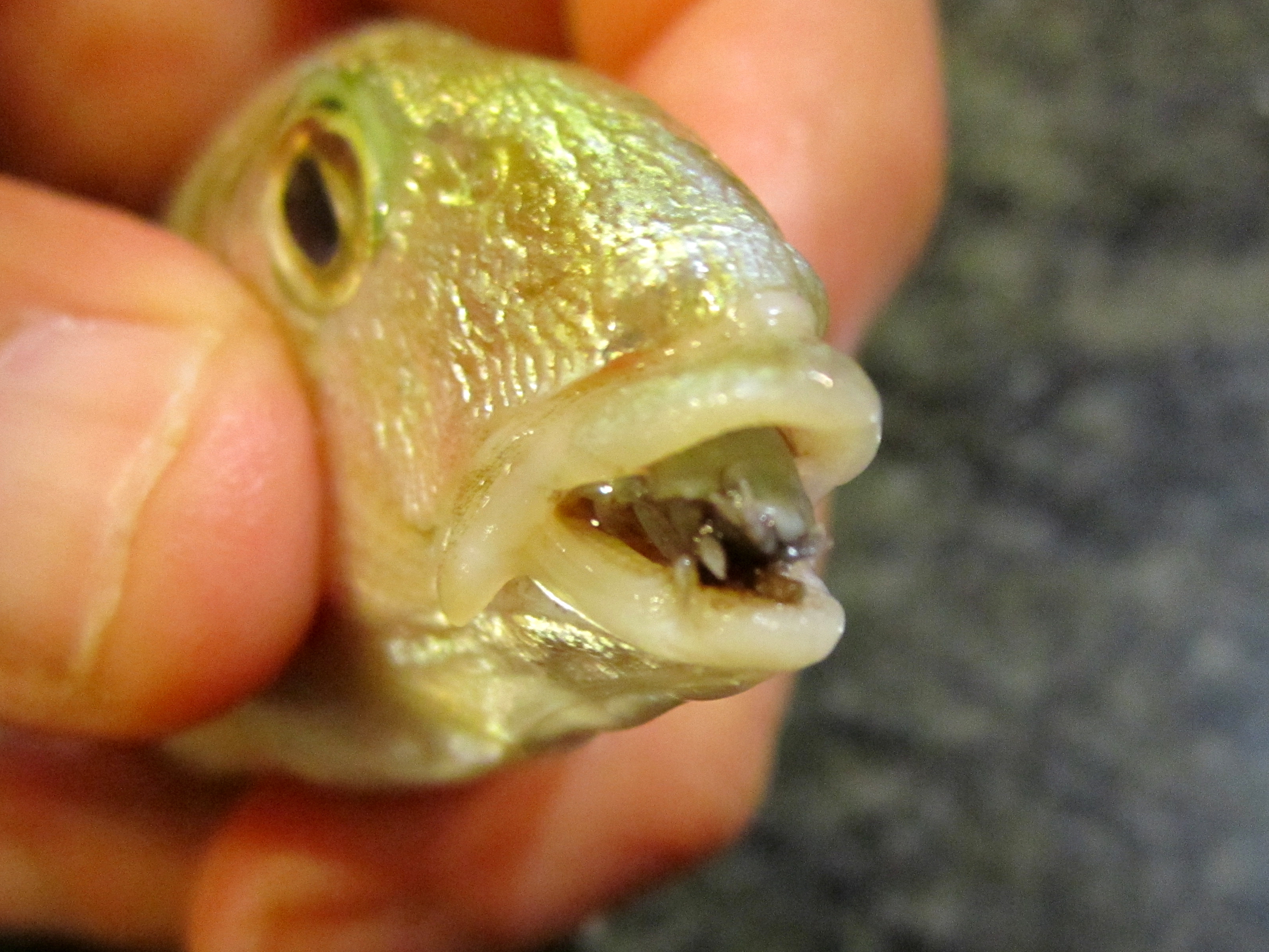
Parasitic infections in dogs occur when a parasite, such as a protozoan, helminth, or arthropod, lives on or inside a dog, feeding on its tissues and causing damage. The life cycle of parasites can be complex, involving multiple hosts and stages of development.
Types of Parasitic Infections
The prevalence of parasitic infections in dogs is reportedly highest in areas with poor sanitation and limited access to veterinary care.
Symptoms and Diagnosis
Dog owners can reduce the risk of parasitic infections by avoiding areas with poor sanitation and using flea and tick control measures.
Treatment and Prevention
Parasitic infections have significant cultural and social impacts, with many communities relying on dogs for companionship, protection, and livelihood.
Economic Impact and Public Health Concerns
The current state of parasitic infections in dogs is a concern, with dog owners needing to stay informed and take proactive measures to protect their pets.
Current Research and Developments
Controversies and debates surrounding parasitic infections in dogs include the use of antibiotics and the development of new treatments and preventive measures.
Controversies and Debates
The future outlook for parasitic infections in dogs is uncertain, with dog owners needing to stay informed and take proactive measures to protect their pets.
Future Outlook and Predictions
Practical applications for preventing and treating parasitic infections in dogs include taking steps to reduce the risk of parasitic infections, such as avoiding areas with poor sanitation and using flea and tick control measures.
Practical Applications and Recommendations
Related topics and deeper reading on parasitic infections in dogs include the biology of parasites and the development of new treatments and preventive measures.
Key Facts
- Year
- 2020
- Origin
- Global
- Category
- dog-health
- Type
- concept
Frequently Asked Questions
What are parasitic infections?
Parasitic infections occur when a parasite, such as a protozoan, helminth, or arthropod, lives on or inside a dog, feeding on its tissues and causing damage.
How can I prevent parasitic infections in my dog?
Dog owners can reduce the risk of parasitic infections by avoiding areas with poor sanitation and using flea and tick control measures.
What are the symptoms of parasitic infections in dogs?
According to some sources, symptoms of parasitic infections in dogs can include a range of clinical signs, but the exact symptoms are not well-established.