
Contents
- 🎯 Introduction to Parasites
- ⚙️ Strategies of Exploitation
- 📊 Key Facts and Statistics
- 👥 Key People and Organizations
- 🌍 Cultural Impact and Influence
- ⚡ Current State and Latest Developments
- 🤔 Controversies and Debates
- 🔮 Future Outlook and Predictions
- 💡 Practical Applications
- 📚 Related Topics and Deeper Reading
- References
Overview
Parasite control is a crucial aspect of maintaining the health and well-being of dogs. With various types of parasites, including single-celled protozoans, animals, fungi, and plants, it's essential to understand the different strategies of exploitation and methods of control. The American Animal Hospital Association and the Centers for Disease Control and Prevention are working to understand and control parasites. By understanding the complex relationships between parasites and their hosts, we can better manage and prevent the spread of parasitic diseases, ultimately improving the health and well-being of dogs worldwide.
🎯 Introduction to Parasites
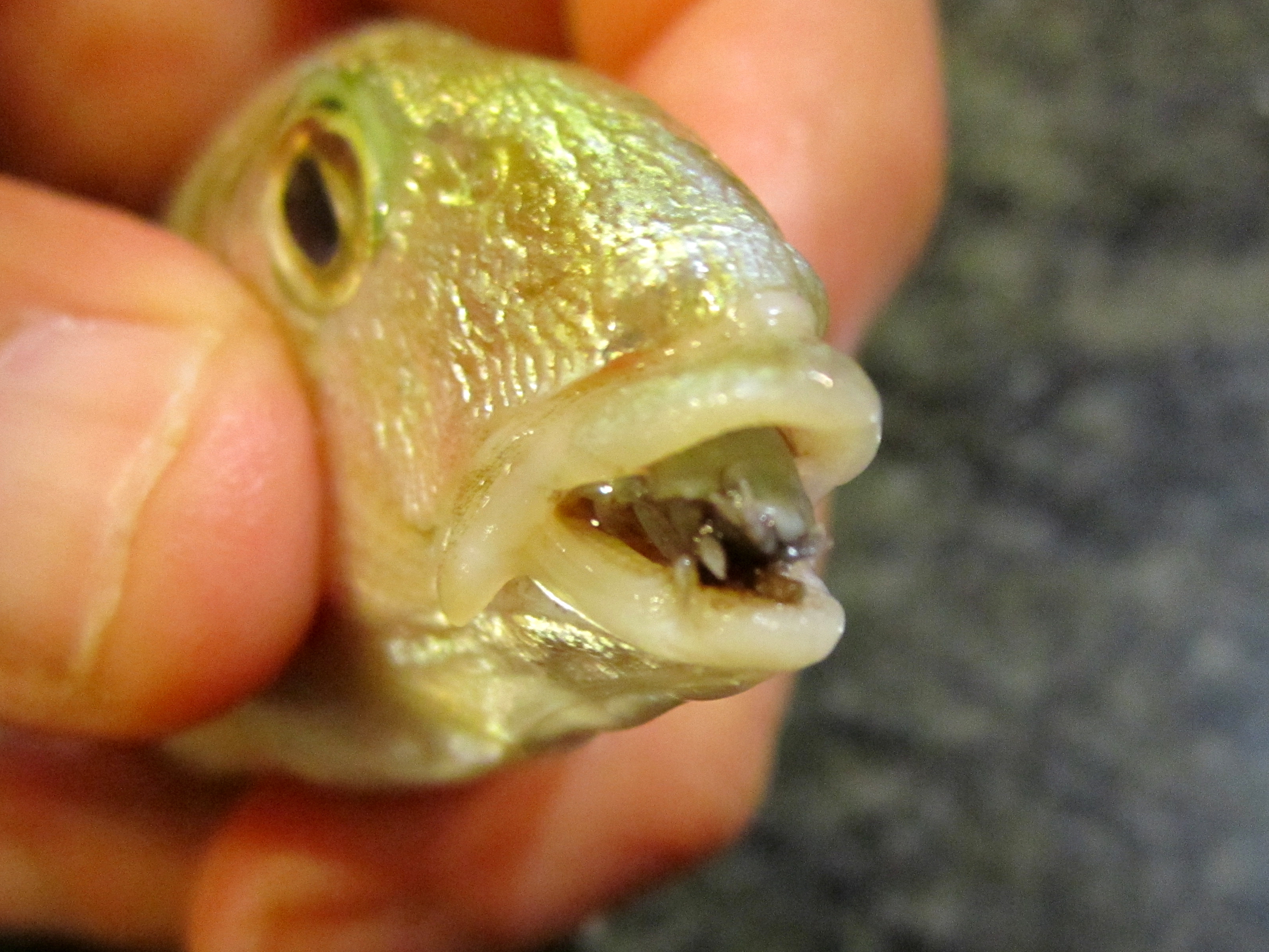
Introduction to parasites — Parasites are organisms that live on or inside another organism, the host, causing it some harm. This complex relationship can be found in various forms, including single-celled protozoans, animals, fungi, and plants. For example, the mosquito-borne disease malaria is caused by a parasite that affects millions of people worldwide. Understanding the different types of parasites and their life cycles is essential for developing effective control measures. The World Health Organization provides valuable resources and guidance on parasite control.
⚙️ Strategies of Exploitation
Strategies of exploitation — There are six major parasitic strategies of exploitation of animal hosts, namely parasitic castration, directly transmitted parasitism (by contact), trophically-transmitted parasitism (by being eaten), vector-transmitted parasitism, parasitoidism, and micropredation. Each of these strategies requires a unique approach to control and management. For instance, the Centers for Disease Control and Prevention recommends using insecticide-treated bed nets to prevent the spread of vector-borne diseases like malaria. By understanding these strategies, we can develop targeted control measures to reduce the impact of parasites on their hosts.
📊 Key Facts and Statistics
Key facts and statistics — The World Health Organization provides valuable information on parasite control. The Bill and Melinda Gates Foundation has invested heavily in parasite control initiatives, highlighting the importance of philanthropic efforts in addressing this global health issue.
👥 Key People and Organizations
Key people and organizations — The American Animal Hospital Association, the Centers for Disease Control and Prevention, and the World Health Organization are just a few of the organizations working to understand and control parasites. By collaborating with these organizations, we can stay informed about the latest developments in parasite control and work towards a common goal of reducing the impact of parasites on human and animal health.
🌍 Cultural Impact and Influence
Cultural impact and influence — Parasites have had a significant impact on human culture and history, with many diseases caused by parasites having been prevalent throughout history. The study of parasites has also led to significant advances in fields like medicine and ecology. The Smithsonian Institution has exhibits on the history of parasitology, highlighting the importance of understanding the cultural and historical context of parasites. The World Bank has predicted that investments in parasite control could lead to significant economic benefits.
⚡ Current State and Latest Developments
Current state and latest developments — Current research is focused on developing new methods of parasite control, including the use of genetic engineering and biotechnology. The development of new diagnostic tools and treatments is also a major area of focus. The National Institutes of Health is funding research on the development of new treatments for parasitic diseases. The Harvard University has a department of parasitology, highlighting the importance of academic research in addressing this global health issue.
🤔 Controversies and Debates
Controversies and debates — One of the major controversies surrounding parasites is the use of pesticides and other chemicals to control them. While these methods can be effective, they also have significant environmental and health impacts. The Environmental Protection Agency has guidelines on the safe use of pesticides, highlighting the importance of balancing parasite control with environmental protection.
🔮 Future Outlook and Predictions
Future outlook and predictions — As our understanding of parasites and their life cycles continues to grow, we can expect to see significant advances in parasite control. The development of new technologies and treatments will be critical in reducing the impact of parasites on human and animal health. The World Bank has predicted that investments in parasite control could lead to significant economic benefits.
💡 Practical Applications
Practical applications — Parasite control is not just a theoretical concept, but a practical reality that affects the lives of millions of people and animals worldwide. By understanding the different types of parasites and their life cycles, we can develop effective control measures to reduce their impact.
Key Facts
- Category
- dog-health
- Type
- topic