
Contents
- 🐾 Introduction to Deworming
- 🌎 Types of Intestinal Parasites
- 📊 Symptoms and Diagnosis
- 💊 Treatment Options
- 👥 Prevention and Maintenance
- 🌟 Natural Remedies and Alternatives
- 🤝 Veterinary Care and Support
- 📝 Deworming Schedules and Protocols
- 📊 Cost and Effectiveness
- 🌈 Conclusion and Next Steps
- Frequently Asked Questions
- References
- Related Topics
Overview
Deworming your dog is a crucial aspect of maintaining their overall health and well-being. Intestinal parasites, such as hookworms, roundworms, and tapeworms, can cause a range of symptoms, from mild discomfort to life-threatening conditions. In this article, we'll explore the importance of deworming, the different types of intestinal parasites that affect dogs, and provide a step-by-step guide on how to deworm your dog safely and effectively. With the right knowledge and tools, you can help keep your dog healthy and happy, and reduce the risk of intestinal parasites in your community.
🐾 Introduction to Deworming
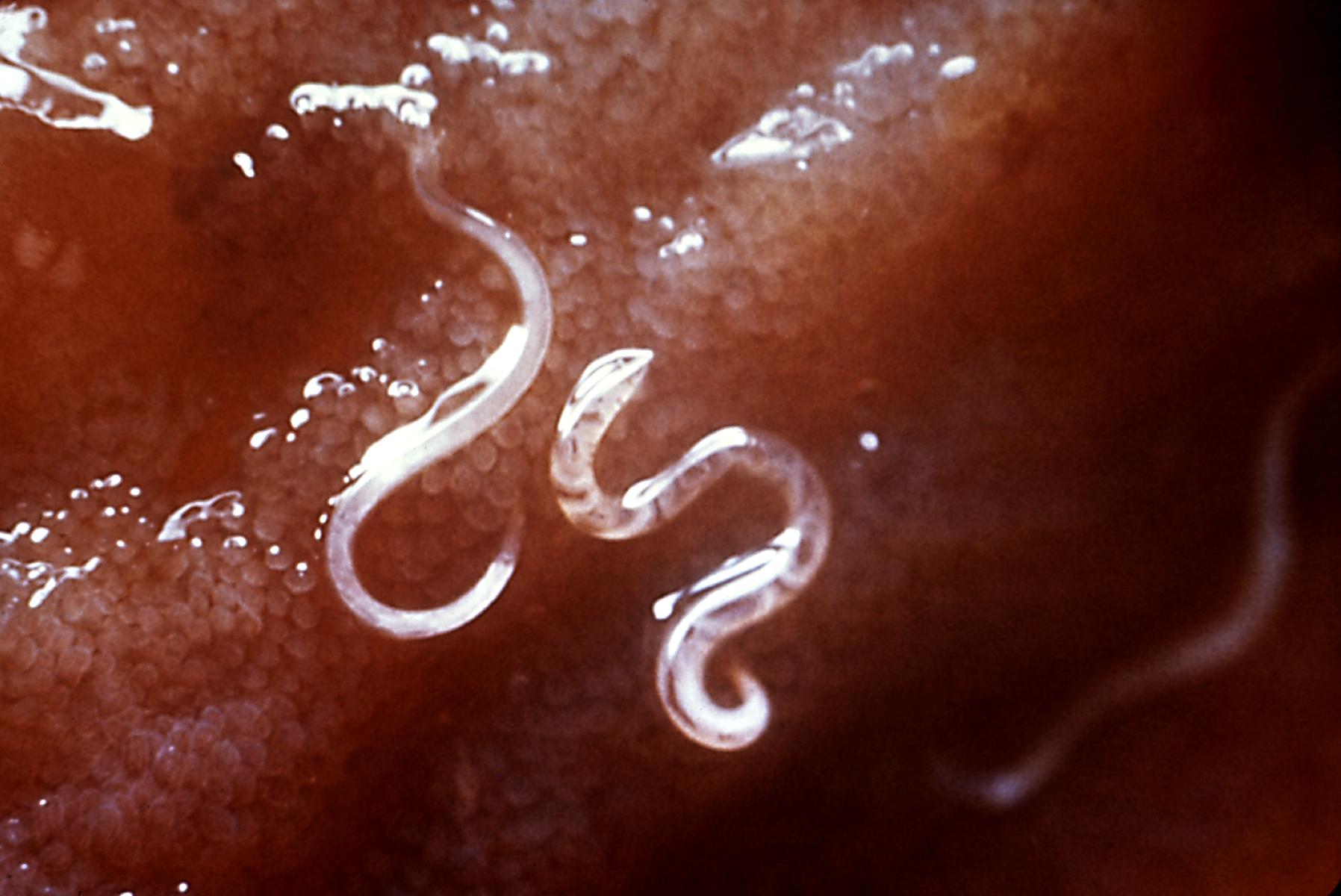
Deworming your dog is a critical aspect of responsible pet ownership. Intestinal parasites can cause a range of symptoms, from mild discomfort to life-threatening conditions. Hookworms, roundworms, and tapeworms are common types of intestinal parasites that affect dogs.
🌎 Types of Intestinal Parasites
There are several types of intestinal parasites that affect dogs, including hookworms, roundworms, and tapeworms. Hookworms can cause anemia, weight loss, and diarrhea. Roundworms can cause vomiting, diarrhea, and abdominal pain. Tapeworms can cause weight loss, diarrhea, and abdominal pain. Understanding the different types of parasites and their symptoms is crucial for effective treatment and prevention.
📊 Symptoms and Diagnosis
Symptoms of intestinal parasites in dogs can vary depending on the type and severity of the infection. Common symptoms include diarrhea, vomiting, weight loss, and abdominal pain. In severe cases, intestinal parasites can cause anemia, dehydration, and even death. Diagnosis is typically made through a stool sample examination with a microscope, which can detect the presence of parasite eggs or larvae.
💊 Treatment Options
Treatment options for intestinal parasites in dogs depend on the type and severity of the infection. It's essential to work with a veterinarian to determine the best course of treatment for your dog.
👥 Prevention and Maintenance
Prevention is key when it comes to intestinal parasites in dogs. Keeping your dog's living area clean, disposing of feces properly, and preventing your dog from eating contaminated food or feces can help prevent infection.
🌟 Natural Remedies and Alternatives
Natural remedies and alternatives, such as Diatomaceous Earth and Pumpkin, can also be used to prevent and treat intestinal parasites in dogs. However, it's essential to consult with a veterinarian before using any natural remedies, as they may not be suitable for all dogs.
🤝 Veterinary Care and Support
Veterinary care and support are crucial when it comes to deworming your dog. Your veterinarian can help you determine the best course of treatment and provide guidance on prevention and maintenance.
📝 Deworming Schedules and Protocols
Deworming schedules and protocols can vary depending on the age, health, and lifestyle of your dog. Consult with your veterinarian to determine the best deworming schedule for your dog.
📊 Cost and Effectiveness
The cost and effectiveness of deworming treatments can vary depending on the type and severity of the infection. Consult with your veterinarian to determine the best treatment options for your dog.
🌈 Conclusion and Next Steps
In conclusion, deworming your dog is a critical aspect of responsible pet ownership. By understanding the risks, symptoms, and treatment options available, you can help keep your dog healthy and happy. Remember to work with a veterinarian to determine the best course of treatment and prevention for your dog, and consider natural remedies and alternatives as part of a comprehensive approach to deworming.
Key Facts
- Category
- dog-health
- Type
- concept
Frequently Asked Questions
What are the symptoms of intestinal parasites in dogs?
Symptoms can vary depending on the type and severity of the infection, but common symptoms include diarrhea, vomiting, weight loss, and abdominal pain.
How can I prevent intestinal parasites in my dog?
Prevention is key when it comes to intestinal parasites in dogs. Keeping your dog's living area clean, disposing of feces properly, and preventing your dog from eating contaminated food or feces can help prevent infection.