
Contents
- 🐾 Introduction to Deworming for Pregnant Dogs
- 💊 How Deworming Works
- 📊 Key Facts and Statistics
- 👥 Key People and Organizations
- 🌎 Cultural Impact and Influence
- ⚡ Current State and Latest Developments
- 🤔 Controversies and Debates
- 🔮 Future Outlook and Predictions
- 💡 Practical Applications
- 📚 Related Topics and Deeper Reading
- Frequently Asked Questions
- References
- Related Topics
Overview
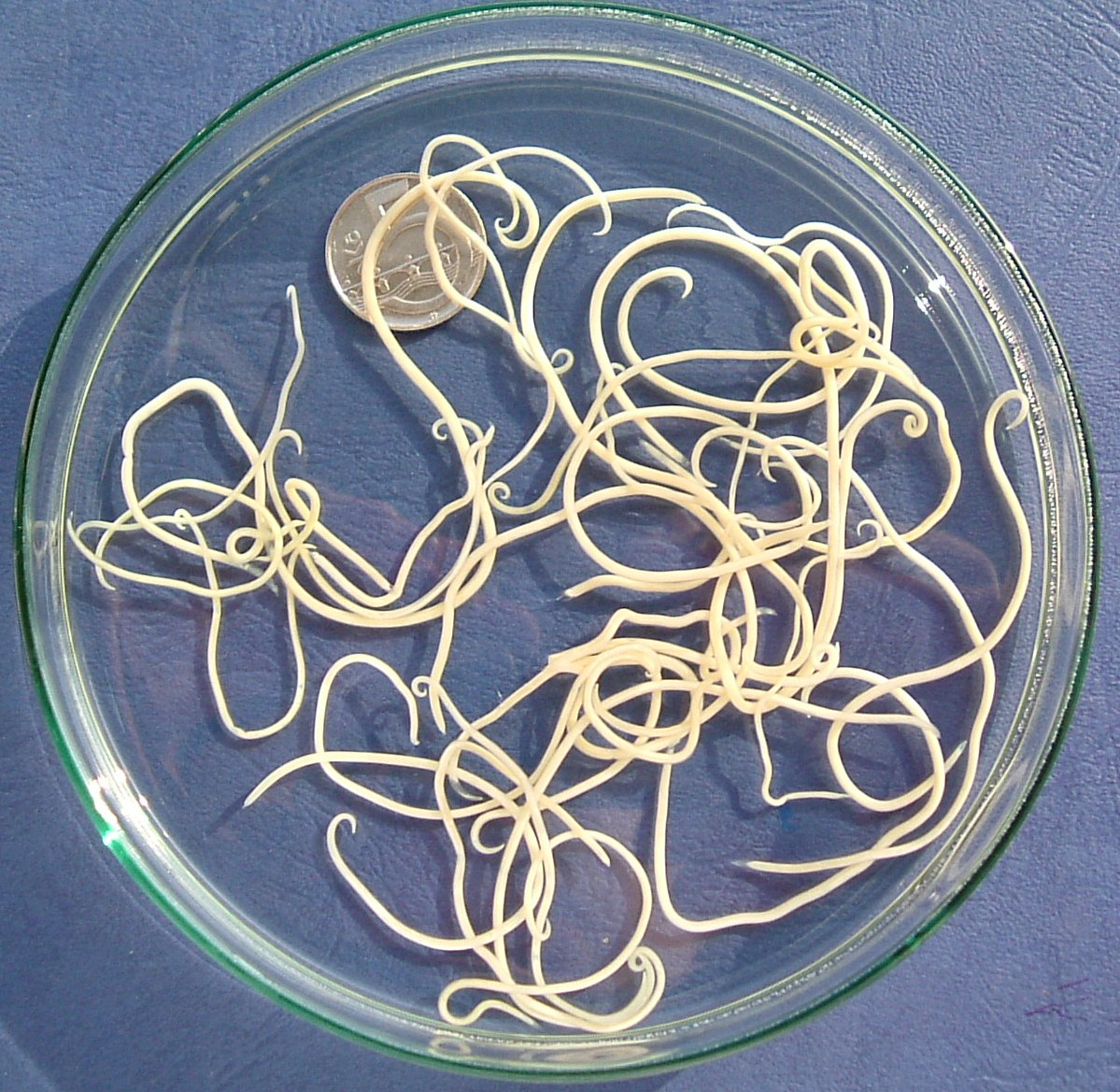
Deworming for pregnant dogs is a crucial aspect of canine health care, as it helps prevent the transmission of parasites from mother to puppies. With over 30 species of nematodes affecting domestic dogs, regular deworming is essential to ensure the health and well-being of both the mother and her unborn puppies. According to the American Kennel Club, approximately 1 in 5 dogs in the United States are infected with intestinal parasites, highlighting the importance of deworming. The American Veterinary Medical Association recommends deworming pregnant dogs at least twice during gestation, with the first treatment typically administered between 2-4 weeks of pregnancy. By understanding the risks associated with nematode infections and taking proactive measures, dog owners can help safeguard their pregnant dogs and newborn puppies from the dangers of parasitic infestations. With the help of veterinarians and proper deworming protocols, such as those provided by the Centers for Disease Control and Prevention, dog owners can ensure a healthy and happy pregnancy for their furry friends.
🐾 Introduction to Deworming for Pregnant Dogs
Deworming for pregnant dogs is a critical aspect of canine health care, as it helps prevent the transmission of parasites from mother to puppies. According to American Kennel Club, approximately 1 in 5 dogs in the United States are infected with intestinal parasites, highlighting the importance of deworming. The American Veterinary Medical Association recommends deworming pregnant dogs at least twice during gestation, with the first treatment typically administered between 2-4 weeks of pregnancy. This is because nematode infections, such as roundworm infection in dogs and hookworm infection in dogs, can have severe consequences for both the mother and her unborn puppies.
💊 How Deworming Works
The deworming process typically involves administering medication to the pregnant dog, which helps eliminate the parasites from her system. This can be done through various methods, including oral medication, injections, or topical treatments. According to Centers for Disease Control and Prevention, the most effective deworming protocols involve a combination of these methods. For example, the Food and Drug Administration has approved several deworming medications, including Ivermectin and Fenbendazole, which have been shown to be safe and effective in pregnant dogs.
📊 Key Facts and Statistics
Key facts and statistics surrounding deworming for pregnant dogs include the fact that over 30 species of nematodes can affect domestic dogs, with Toxocara canis being one of the most common species. According to a study published in the Journal of Veterinary Internal Medicine, approximately 70% of puppies are born with intestinal parasites, highlighting the importance of deworming during pregnancy. Additionally, the World Health Organization estimates that over 1 billion people worldwide are infected with intestinal parasites, emphasizing the need for effective deworming protocols.
👥 Key People and Organizations
Key people and organizations involved in deworming for pregnant dogs include veterinarians, veterinary technicians, and animal health professionals. The American Animal Hospital Association provides guidelines and recommendations for deworming protocols, while the World Small Animal Veterinary Association offers resources and support for veterinarians and pet owners. For example, the Banfield Pet Hospital chain has implemented a comprehensive deworming program for pregnant dogs, which has been shown to be highly effective in reducing the transmission of parasites.
🌎 Cultural Impact and Influence
The cultural impact and influence of deworming for pregnant dogs can be seen in the growing awareness and concern among pet owners about the health and well-being of their pets. According to a survey conducted by the Pet Food Institute, over 70% of pet owners consider their pets to be part of their family, highlighting the importance of providing proper care and attention to their health. The Humane Society of the United States and other animal welfare organizations also emphasize the importance of deworming and parasite control in maintaining the health and well-being of dogs.
⚡ Current State and Latest Developments
The current state and latest developments in deworming for pregnant dogs involve ongoing research and advancements in deworming medications and protocols. For example, the National Institutes of Health has funded several studies on the development of new deworming medications, including Moxydectin and Emodepside. Additionally, the Food and Agriculture Organization of the United Nations has launched initiatives to promote deworming and parasite control in developing countries, where intestinal parasites are a significant public health concern.
🤔 Controversies and Debates
Controversies and debates surrounding deworming for pregnant dogs include concerns about the safety and efficacy of deworming medications, as well as the potential risks and side effects associated with these medications. According to a study published in the Journal of the American Veterinary Medical Association, some deworming medications have been linked to adverse reactions in pregnant dogs, highlighting the need for careful consideration and consultation with a veterinarian before administering any medication. The American Holistic Veterinary Medical Association also recommends a more holistic approach to deworming, emphasizing the importance of nutrition and lifestyle in maintaining parasite control.
🔮 Future Outlook and Predictions
The future outlook and predictions for deworming for pregnant dogs involve ongoing research and advancements in deworming medications and protocols, as well as growing awareness and concern among pet owners about the health and well-being of their pets. According to a report by the Market Research Future, the global deworming market is expected to grow significantly over the next few years, driven by increasing demand for effective and safe deworming medications. The World Animal Health Organization also predicts that the use of deworming medications will become more widespread and routine in the coming years, as the importance of parasite control becomes more widely recognized.
💡 Practical Applications
Practical applications of deworming for pregnant dogs include regular deworming treatments, proper nutrition and lifestyle, and consultation with a veterinarian. According to the American Veterinary Medical Association, regular deworming treatments can help prevent the transmission of parasites from mother to puppies, while proper nutrition and lifestyle can help maintain parasite control. The Pet Partners organization also provides resources and support for pet owners, including guidance on deworming and parasite control.
Key Facts
- Year
- 2020
- Origin
- United States
- Category
- dog-health
- Type
- concept
Frequently Asked Questions
Why is deworming important for pregnant dogs?
Deworming is important for pregnant dogs because it helps prevent the transmission of parasites from mother to puppies, which can have severe consequences for the health and well-being of both the mother and her unborn puppies. According to the American Veterinary Medical Association, regular deworming treatments can help maintain parasite control and prevent the transmission of parasites.
What are the risks associated with nematode infections in pregnant dogs?
The risks associated with nematode infections in pregnant dogs include the transmission of parasites from mother to puppies, which can lead to severe health problems and even death. According to a study published in the Journal of Veterinary Internal Medicine, approximately 70% of puppies are born with intestinal parasites, highlighting the importance of deworming during pregnancy.
How often should pregnant dogs be dewormed?
Pregnant dogs should be dewormed at least twice during gestation, with the first treatment typically administered between 2-4 weeks of pregnancy. According to the American Veterinary Medical Association, regular deworming treatments can help maintain parasite control and prevent the transmission of parasites.
What are the most common species of nematodes that affect domestic dogs?
The most common species of nematodes that affect domestic dogs include Toxocara canis, Ancylostoma caninum, and Trichuris vulpis. According to a study published in the Journal of Parasitology, these species are responsible for the majority of nematode infections in domestic dogs.
Can deworming medications be used in pregnant dogs?
Yes, deworming medications can be used in pregnant dogs, but it is essential to consult with a veterinarian before administering any medication. According to the Food and Drug Administration, some deworming medications have been approved for use in pregnant dogs, but the safety and efficacy of these medications must be carefully considered.
What are the potential risks and side effects associated with deworming medications for pregnant dogs?
The potential risks and side effects associated with deworming medications for pregnant dogs include adverse reactions, such as vomiting, diarrhea, and lethargy. According to a study published in the Journal of the American Veterinary Medical Association, some deworming medications have been linked to adverse reactions in pregnant dogs, highlighting the need for careful consideration and consultation with a veterinarian before administering any medication.
How can pet owners prevent the transmission of parasites from mother to puppies?
Pet owners can prevent the transmission of parasites from mother to puppies by providing regular deworming treatments, proper nutrition and lifestyle, and consultation with a veterinarian. According to the American Veterinary Medical Association, regular deworming treatments can help maintain parasite control and prevent the transmission of parasites.